Case Study · E-Commerce, Business Systems & Workflow Automation
Building a Manufacturer's First Direct-to-Consumer Presence
Launching two Shopify storefronts and engineering an automated product information system with more than 3,100 product records in the surviving workbook.
E-Commerce · Product Information Architecture · Excel Automation · VBA · HTML Publishing
At a Glance
The Challenge — Building the Foundation Before Optimizing It
I joined Golf Gifts & Gallery, a manufacturer with more than 30 years of experience serving wholesale customers, to improve its search engine visibility.
There was one immediate complication: the company didn't have a website.
It also had no direct-to-consumer sales channel and no centralized source of detailed, marketing-ready product information. Its existing ERP system supported purchasing, inventory and shipping, but the available product records contained little of what a retail customer would need to make a purchasing decision.
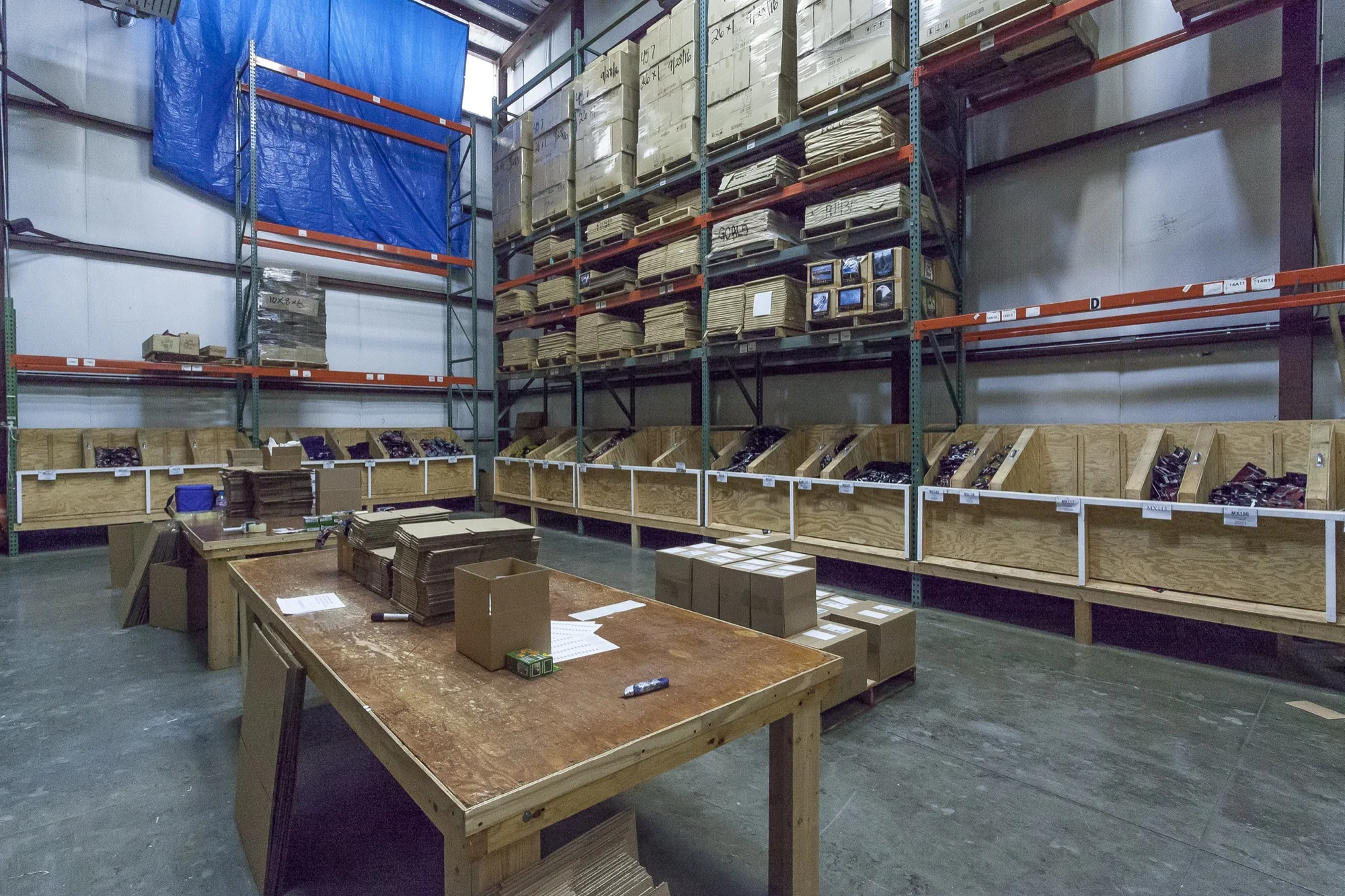
Product specifications were scattered across physical packaging, supplier documentation and the knowledge of individual employees. Even answering a wholesale customer's question about a product could require finding the right person rather than looking up the information.
Before I could meaningfully improve search visibility, we needed to establish the company's digital presence and build the information infrastructure to support it.
Establishing Two E-Commerce Channels
Golf Gifts & Gallery operated two distinct product lines: its primary golf accessories catalog and a legacy collection of artwork marketed under Sports Art Inc.
Rather than combine these into a single storefront, I developed two separate Shopify sites, each serving a different commercial purpose.
Gallery storefront
Legacy artwork inventory organized and online within approximately four weeks
Working with a newly hired graphic designer, I helped physically sort, count and organize the artwork inventory, creating reliable digital records where existing inventory information was outdated or incomplete.
Shopify became the inventory system of record for the Gallery collection, providing a new channel through which the company could sell legacy stock.
Golf storefront
A functioning direct-to-consumer catalog launched within approximately 12–13 weeks
Following the Gallery launch, my colleague shifted her attention to establishing the company's social media presence while I independently developed the larger Golf storefront and its supporting product information.
Rather than waiting for every record to be completed, I established a functioning storefront and continued expanding its catalog and navigation structure in production.
This approach allowed the company to establish an online presence while the much larger product-data initiative continued.
Turning Physical Inventory Into Structured Product Information
The Golf catalog presented a different challenge.
An initial ERP export revealed records designed primarily for logistics rather than merchandising. Product names, carton weights and shipping dimensions were available, but detailed specifications, descriptions, imagery and customer-facing attributes were often missing.
I began consolidating information from multiple sources: ERP exports, supplier documentation, physical packaging, product catalogs and direct warehouse inspection.
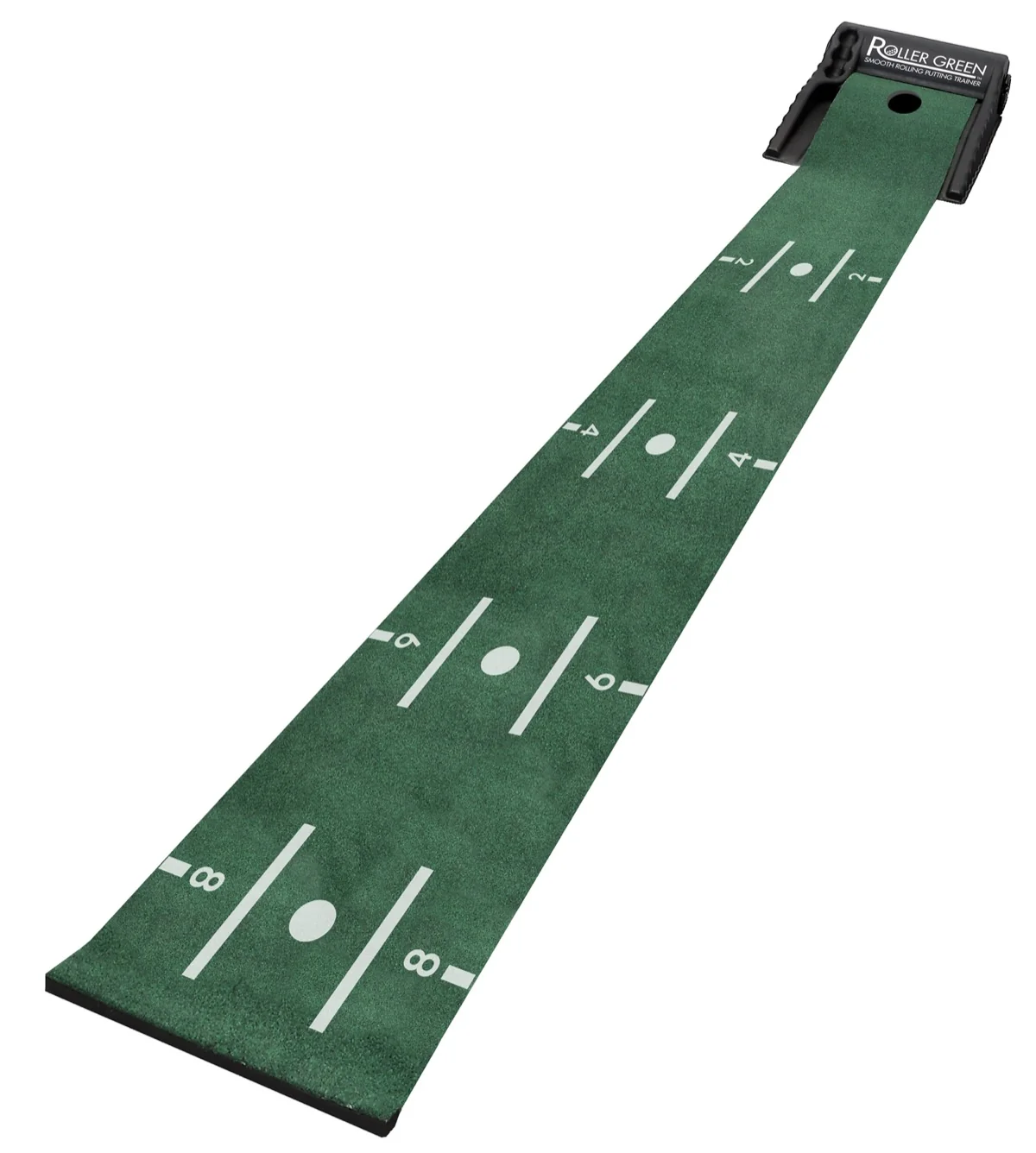
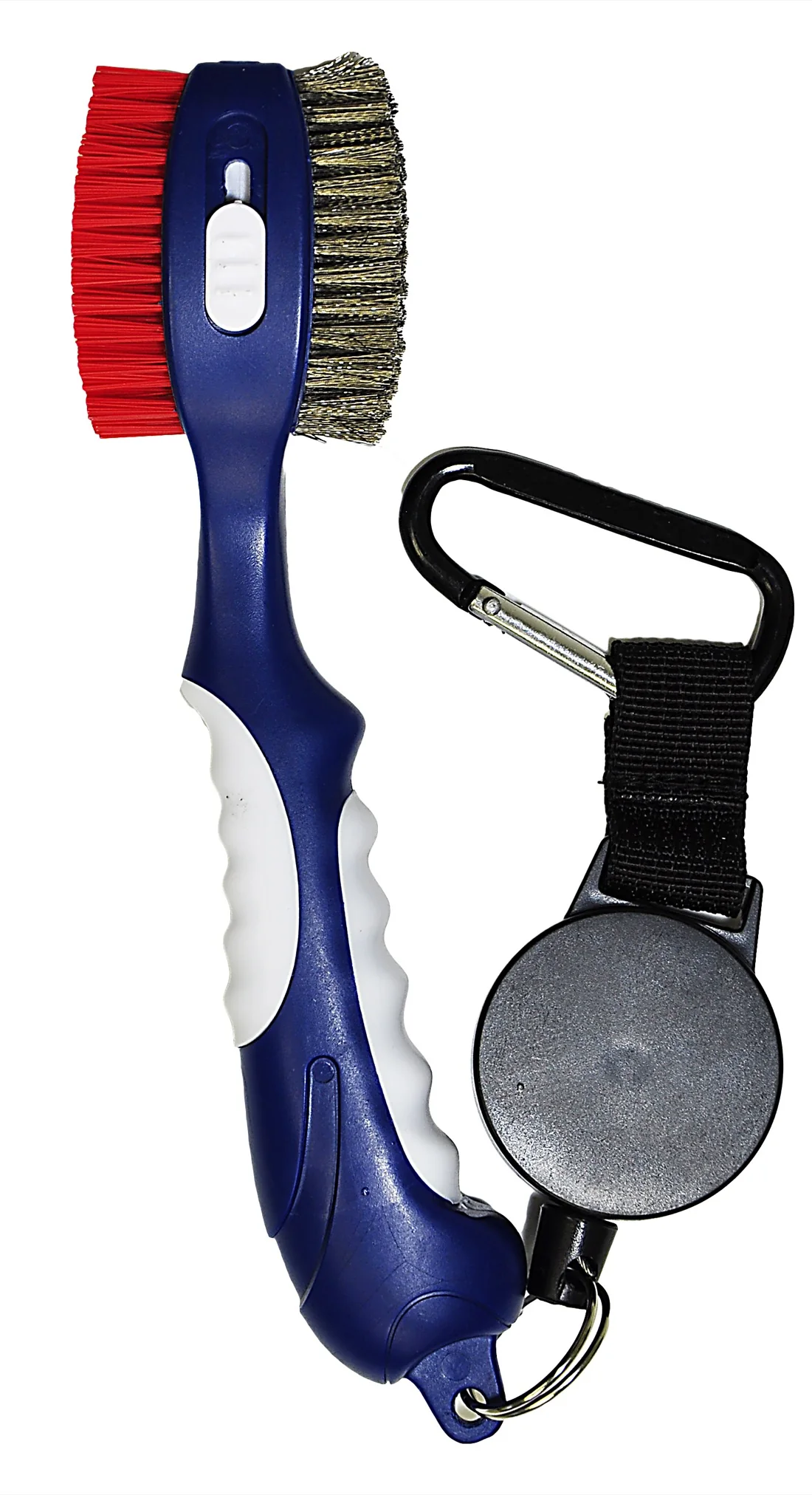
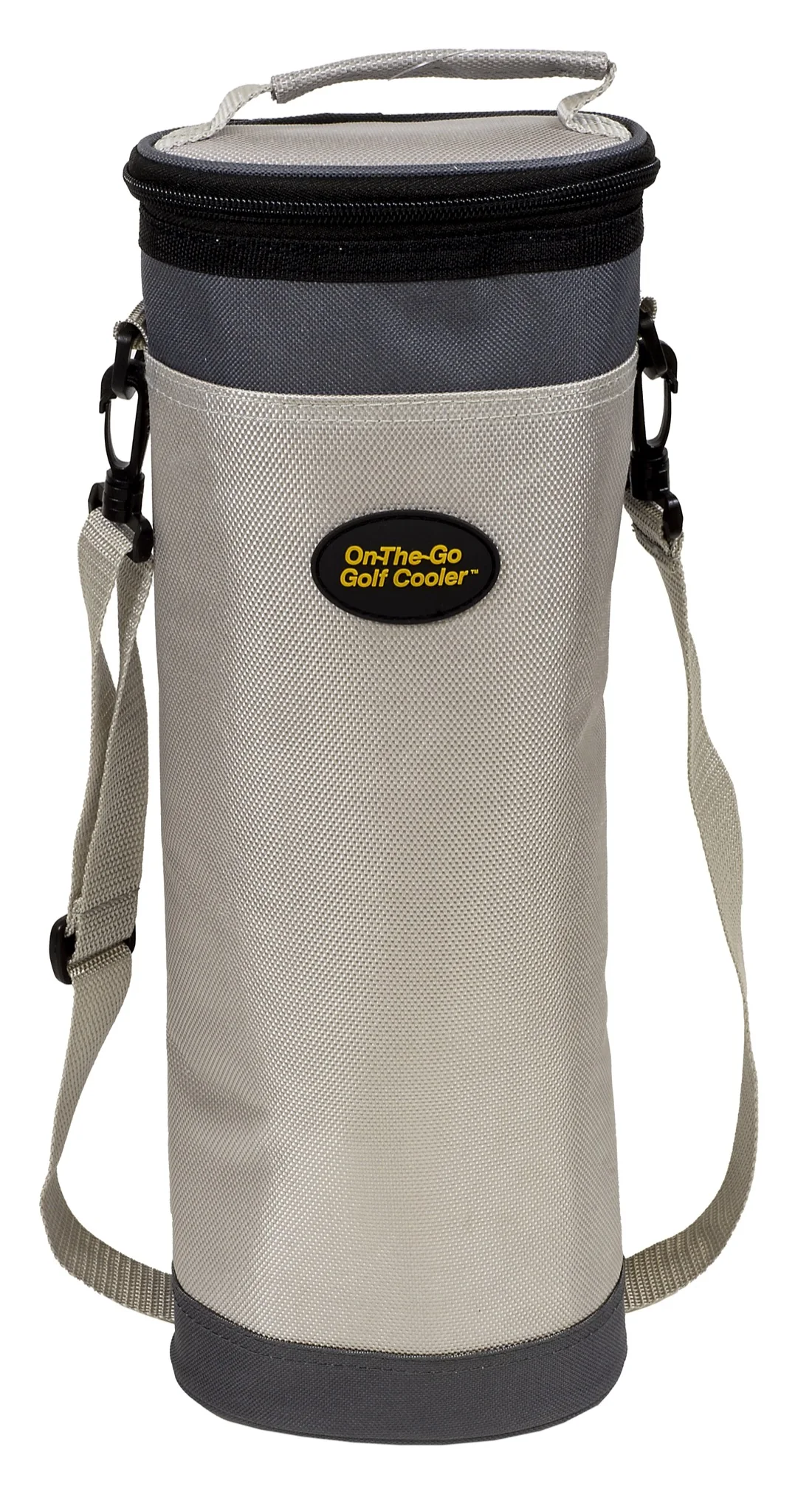
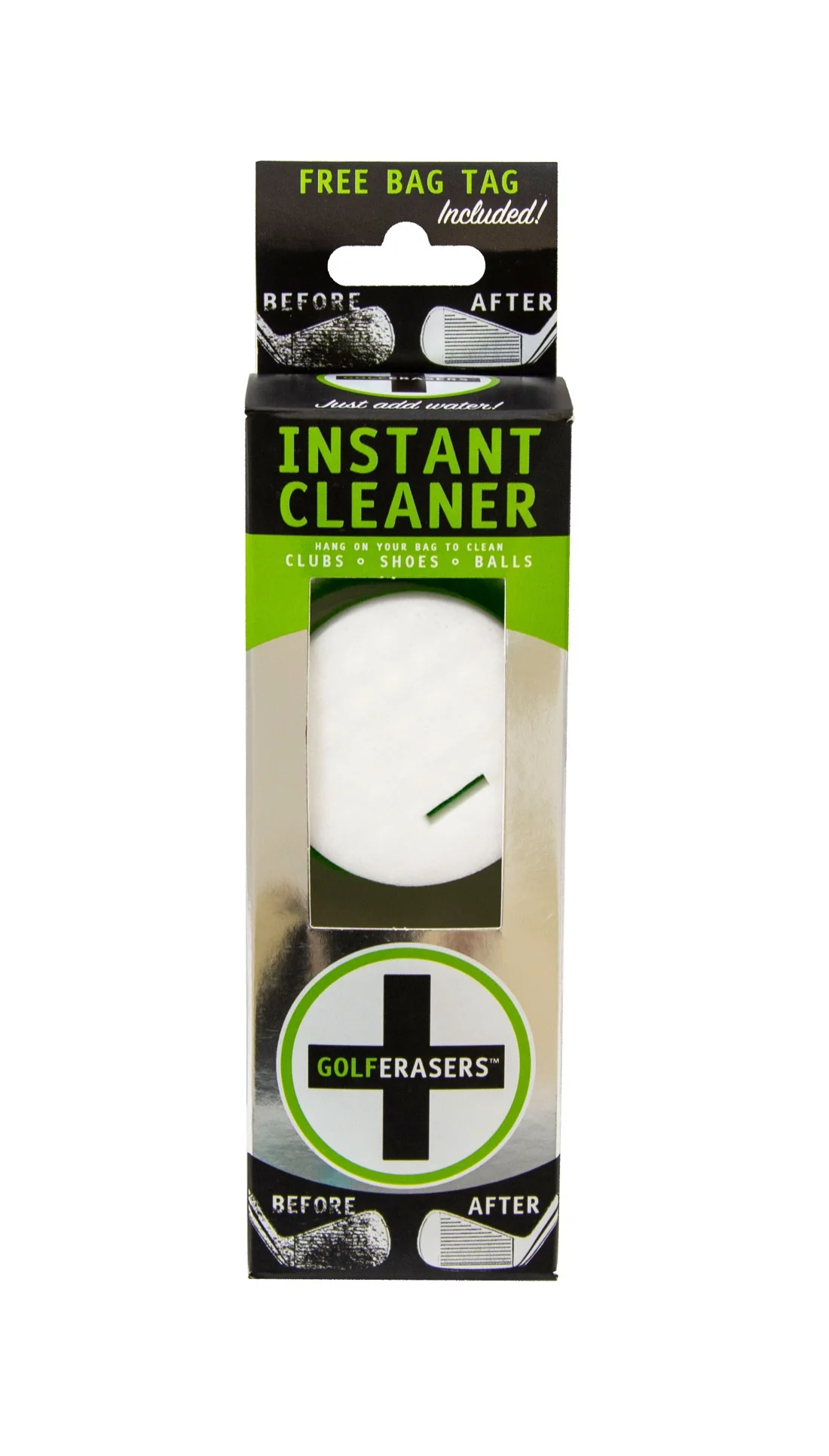
This was as much a physical inventory project as a digital one. I measured products and packaging, verified specifications, identified missing components and produced product photography where suitable imagery didn't exist.
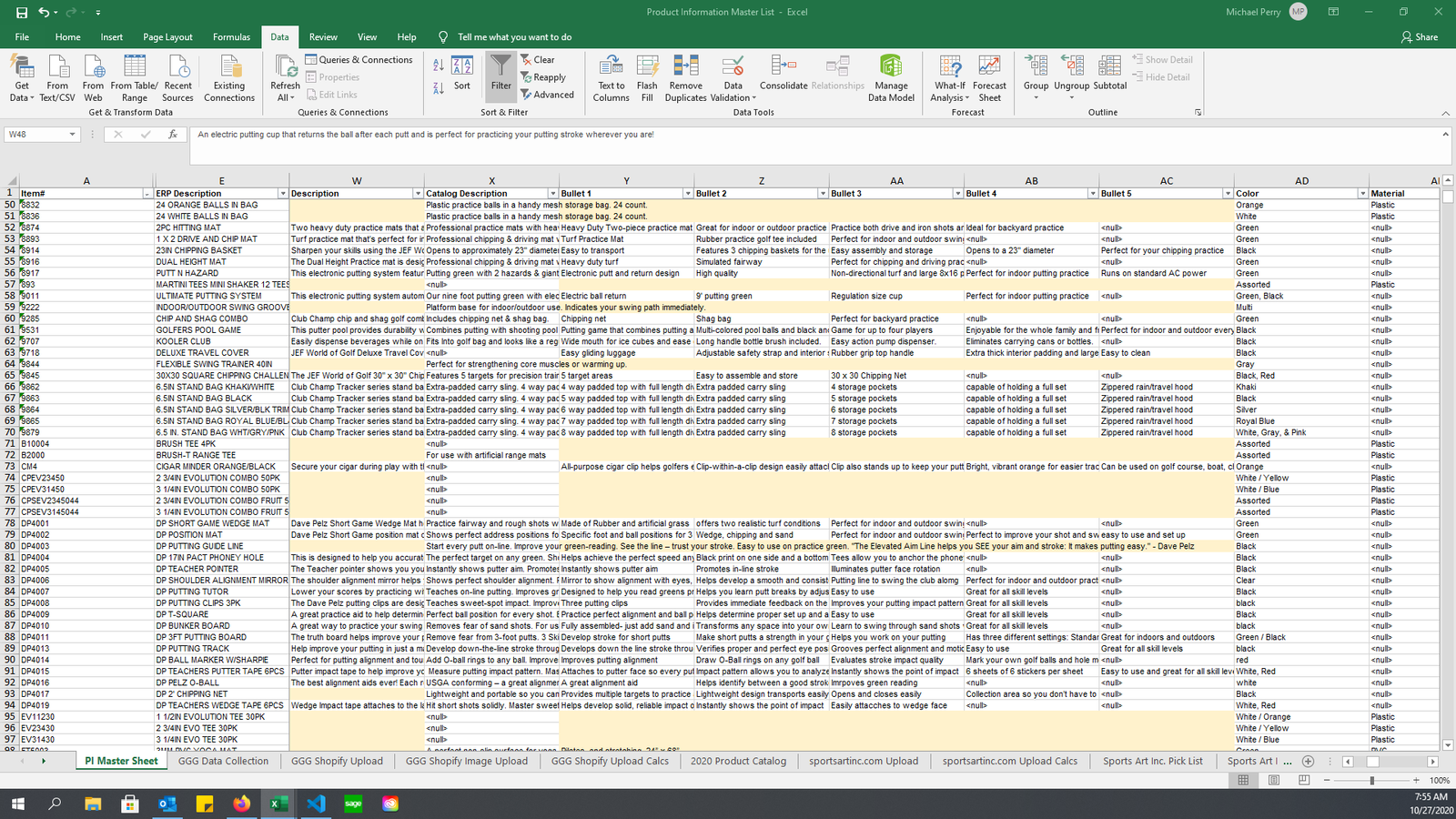
The Product Information Master List ultimately contained 3,131 product records organized across 198 structured fields.
The surviving master workbook includes product descriptions, specifications, dimensions, packaging, photography, warranty information, retailer identifiers, product variants and catalog references.
The objective wasn't simply to populate Shopify. It was to create a reusable, structured source of product information that could serve the entire organization.
Historical source · Product Information Master List
Creating the Company's First Product Taxonomy
With thousands of products to organize, a collection of individual records wasn't enough. Customers and employees needed a consistent way to navigate the catalog.
I developed a taxonomy organized around how customers shop, rather than simply reproducing manufacturer or supplier groupings.
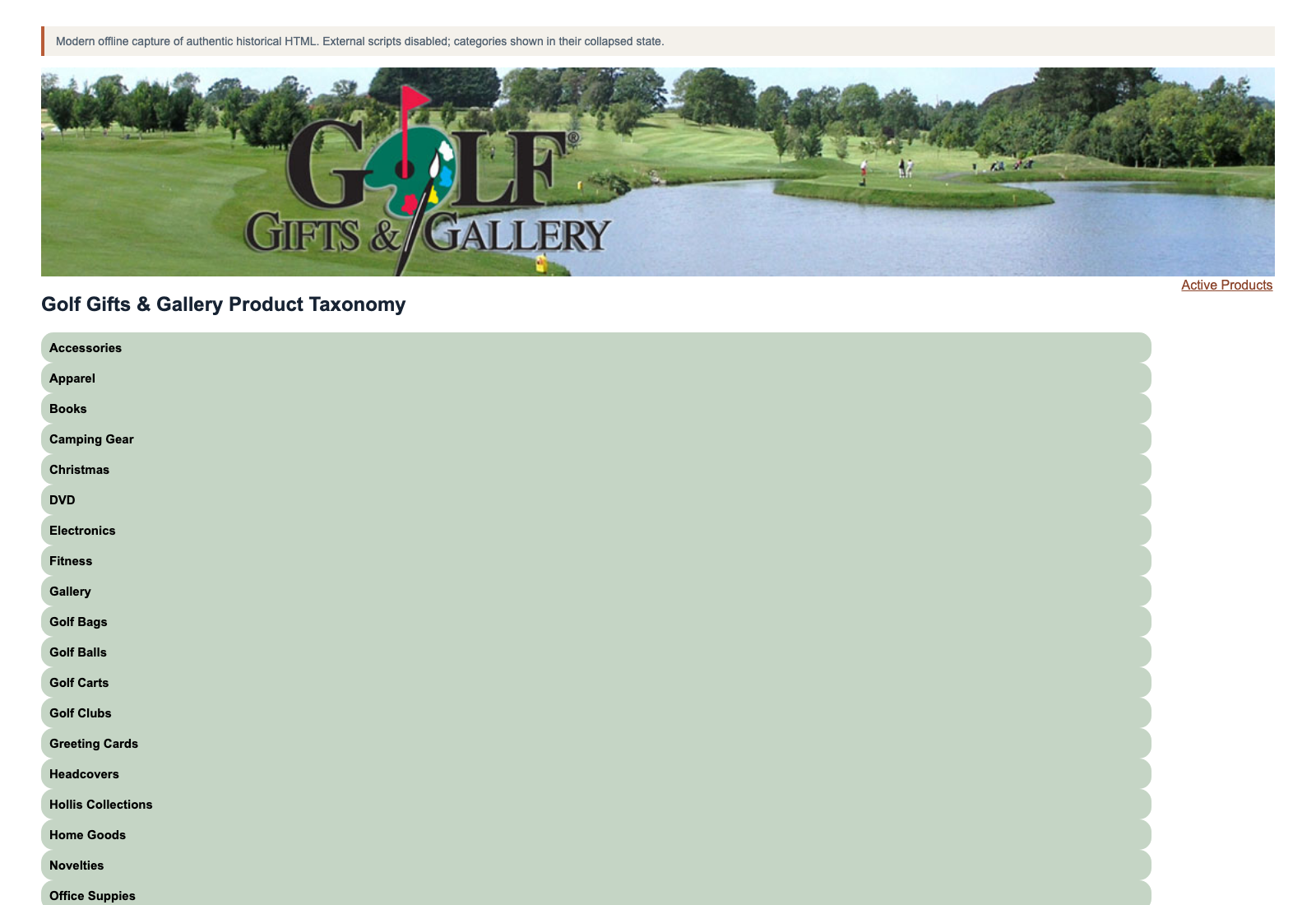
The primary categories included Accessories, Clubs, Fitness, Golf Bags, Training and Transport. Beneath those, a category, subcategory and class hierarchy provided more detailed organization, while additional attributes supported navigation across product types, brands and related items.
This structure became the foundation for the Golf storefront and the internal product information portal.
It also made the catalog easier to maintain as new products, variations and supporting information were introduced.
Engineering an Automated Product Publishing System
The next challenge was distributing all that information.
Maintaining thousands of individual product pages by hand would have been impractical, particularly while the underlying data was still being collected and corrected.
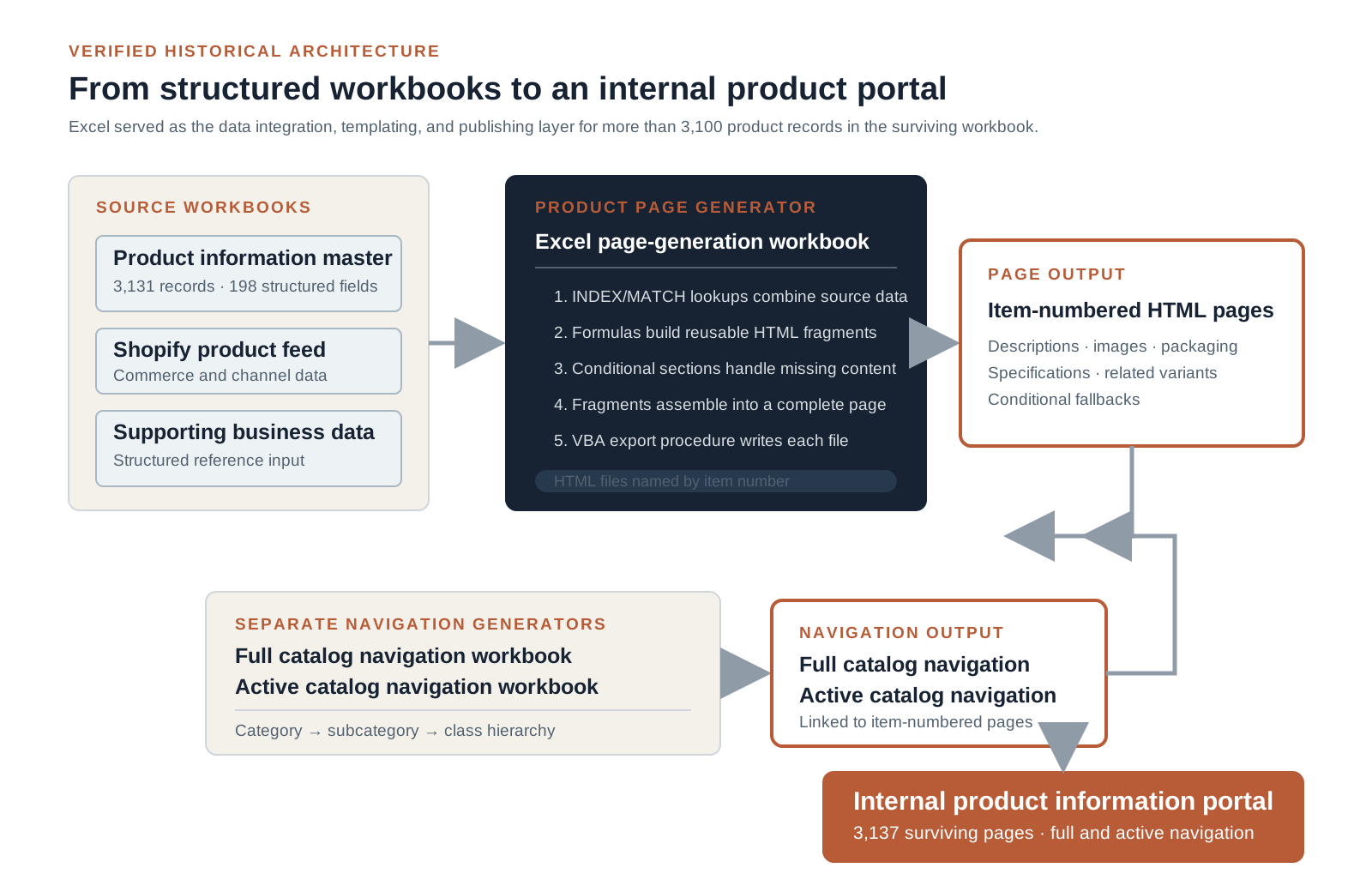
I developed an Excel-based publishing system that assembled complete HTML product pages from structured data and exported them automatically.
The system combined three principal data sources: structured product information, a Shopify product feed and supporting business data. Using formula-driven lookups, it assembled each page from reusable HTML components.
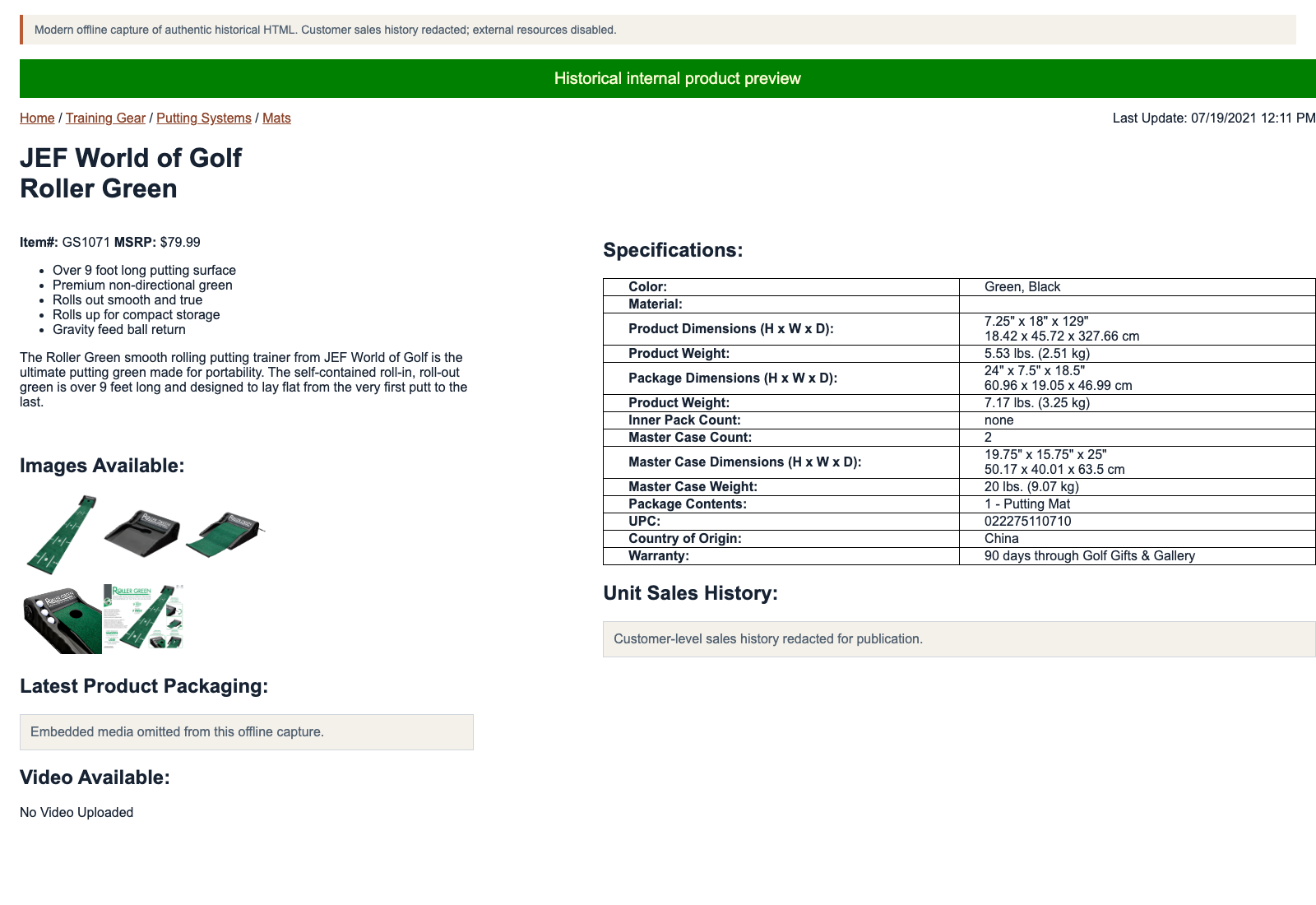
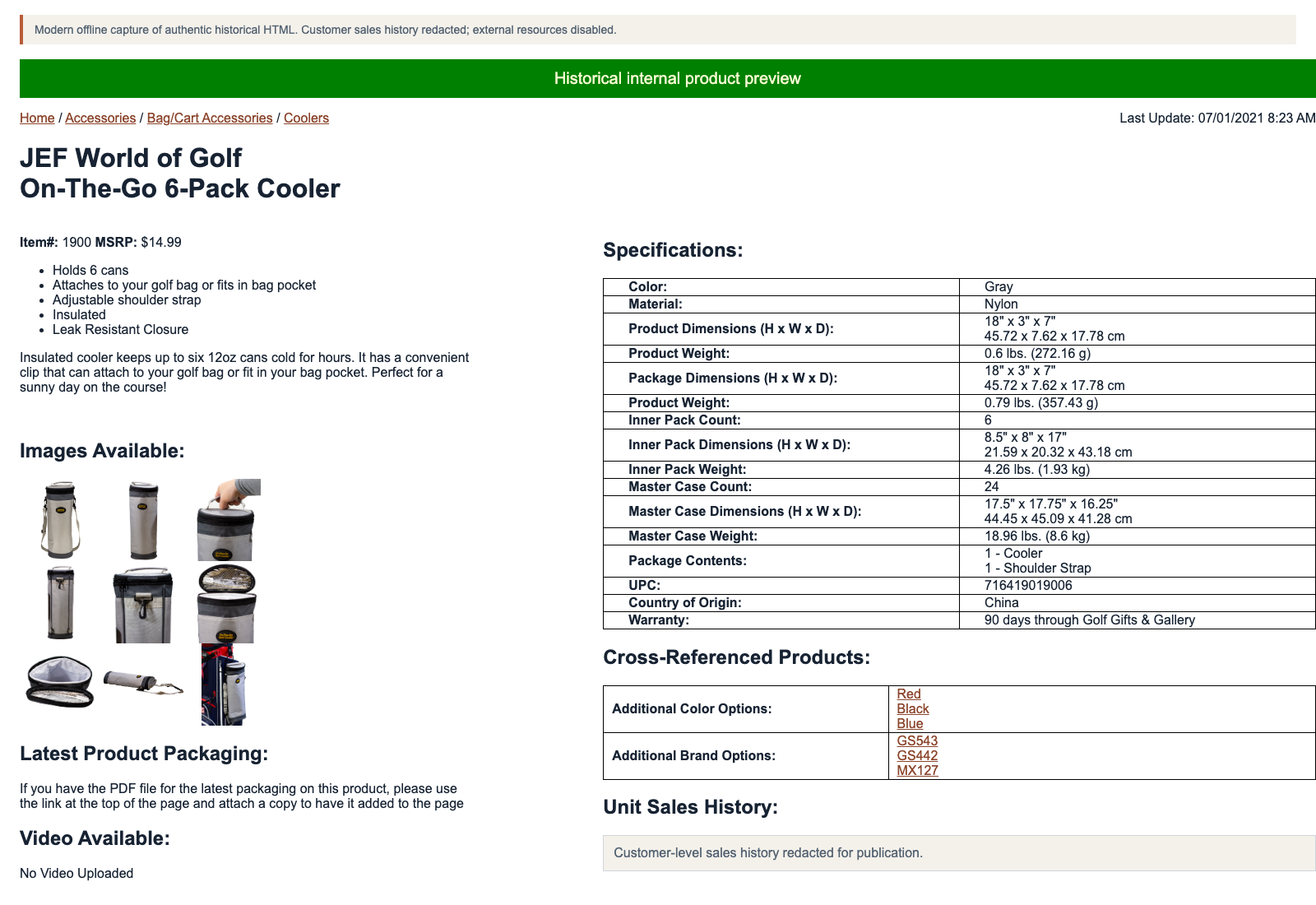
Those components included product headings, descriptions, bullet points, specifications, photographs, packaging documentation, videos, related product variants and catalog references. Conditional logic determined which sections appeared and supplied appropriate fallbacks when information was unavailable.
A VBA export procedure then wrote the assembled HTML into individual files named by product number.
Separate Excel workbooks generated the portal's complete and active-product navigation pages, using the category, subcategory and class hierarchy established in the master catalog.
Product information could be maintained in structured workbooks and used to generate consistent, interconnected pages without manually editing thousands of individual HTML documents.
Verified historical architecture · Excel-driven publishing
Structured sources, reusable page components, and separate navigation generators
Scroll horizontally to inspect the complete workflow.
Building a Company-Wide Product Information Portal
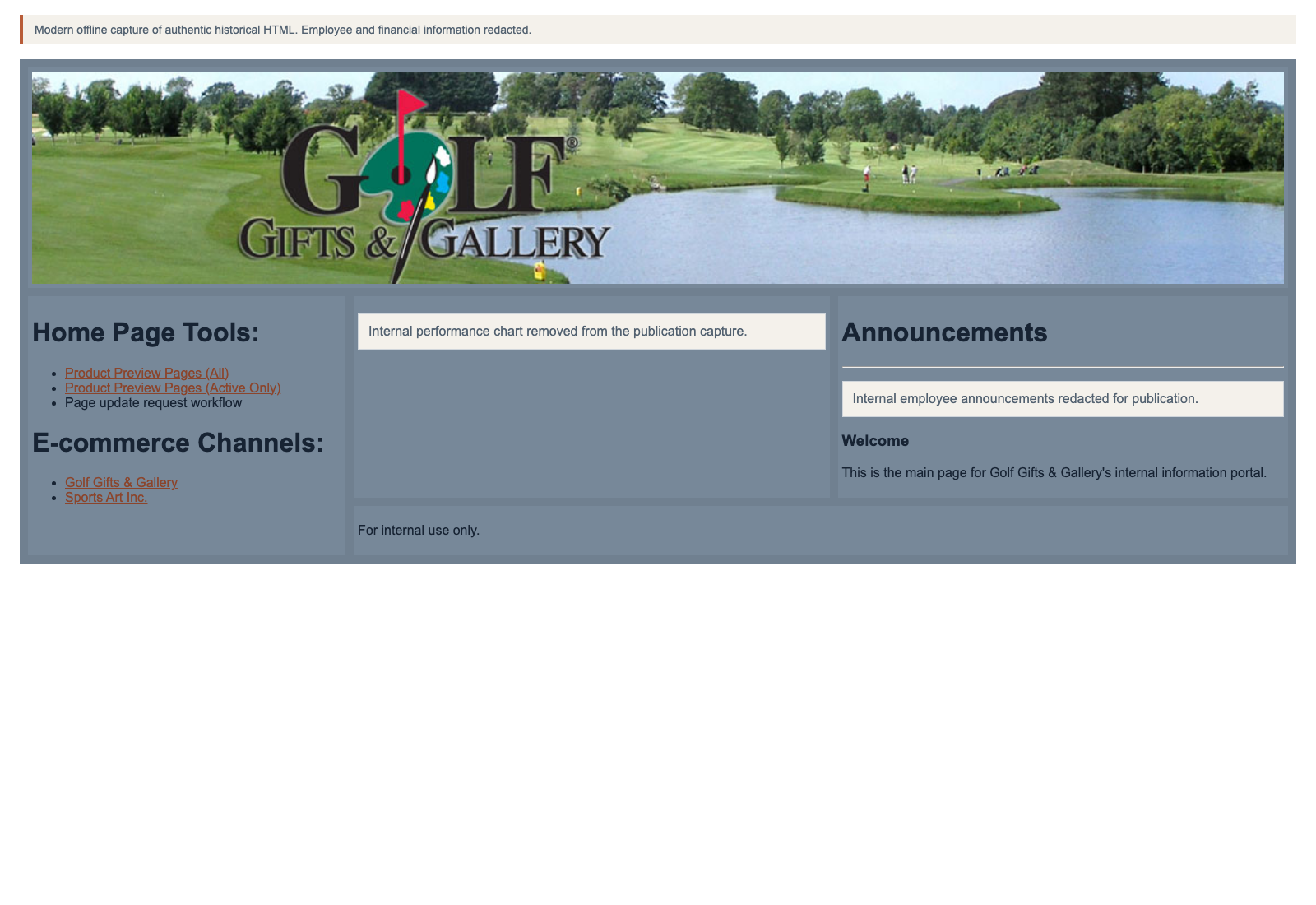
The automated pages formed the foundation of a company-wide intranet product information portal.
Employees could navigate the complete catalog or a filtered active-product view, locate individual products and access information that previously required searching through packaging, catalogs or asking another employee.
Individual pages brought together product descriptions, technical specifications, photographs, packaging resources, related variants and other supporting information in a consistent format.
The portal also provided a centralized entry point to the company's e-commerce channels and other internal resources.
The original HTML pages, navigation files, stylesheets, supporting resources and Excel generation workbooks have been preserved. They provide a working record of the system's structure and functionality.
I designed the underlying product information to support a possible future transition to a dedicated Product Information Management (PIM) and Digital Asset Management (DAM) platform. Neither platform was implemented during my tenure, but the structured data established a foundation for that possibility.
Original historical screenshot · 2021
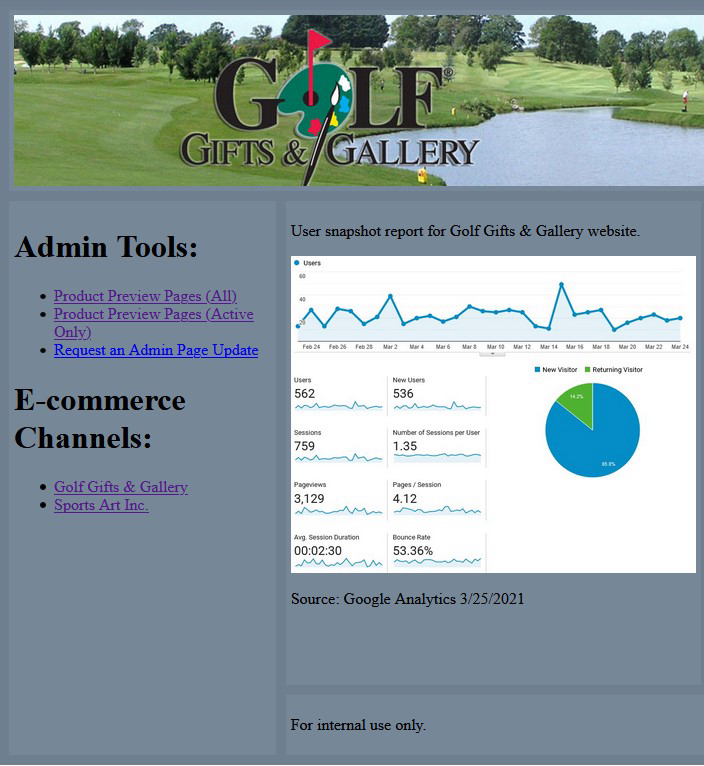
Modern capture · Authentic historical HTML
Results
Over approximately nine months, Golf Gifts & Gallery went from having no website or direct-to-consumer channel to operating two Shopify storefronts supported by a substantial product information infrastructure.
The master-record and surviving-page counts come from preserved project artifacts and do not necessarily represent the same historical snapshot.
- Complete and active-product navigation generated from the catalog taxonomy
- Consolidated specifications, descriptions, imagery, packaging and supporting product resources
- A new outlet for legacy Gallery artwork inventory
- A direct-to-consumer channel for the company's primary Golf catalog
The internal portal consolidated previously fragmented product information into an accessible resource for employees, supported by a repeatable process for generating and maintaining thousands of product pages.
Both storefronts were operational when responsibility transitioned to my colleague. The underlying product data and publishing system provided a foundation for ongoing catalog maintenance and future digital initiatives.
What This Project Demonstrates
The original assignment was SEO, but the underlying business problem required considerably more than search optimization.
I had to establish a new commercial channel, collect and normalize thousands of product records, develop a usable information architecture and build an automated publishing system to make that information accessible throughout the organization.
The work combined warehouse inventory, product photography, e-commerce, structured data, Excel automation, VBA and HTML generation.
It reflects the approach I've applied throughout my career: identify the underlying operational problem, connect fragmented sources of information and build practical systems that make the resulting work repeatable.